Jobs That Use 3D Design: CAD Careers for Teens to Explore
If you enjoy building things in 3D, you might be wondering: can this be a job? The answer is yes — lots of jobs. Almost everything around you, from your phone to your trainers to the chair you're sitting on, was designed on a computer first. This guide shows some of the jobs that use 3D design, what people in them actually do, and how you can start learning the skills now.
Two kinds of 3D design
Before we look at jobs, it helps to know there are two main kinds of 3D software:
- CAD (computer-aided design) is about exact sizes. Engineers and product designers use it to make parts that really fit and work. Examples: Fusion, Onshape, SolidWorks, FreeCAD.
- 3D modelling and animation is about how things look. Game and film artists use it to create characters and worlds. Examples: Blender, Maya.
Many jobs use one, some use both.
1. Mechanical engineer
Mechanical engineers design machines and moving parts: engines, bikes, robots, washing machines. They use CAD to model each part, check that everything fits together, and test strength on screen before anything is made. Helpful subjects: maths, physics, Design and Technology.
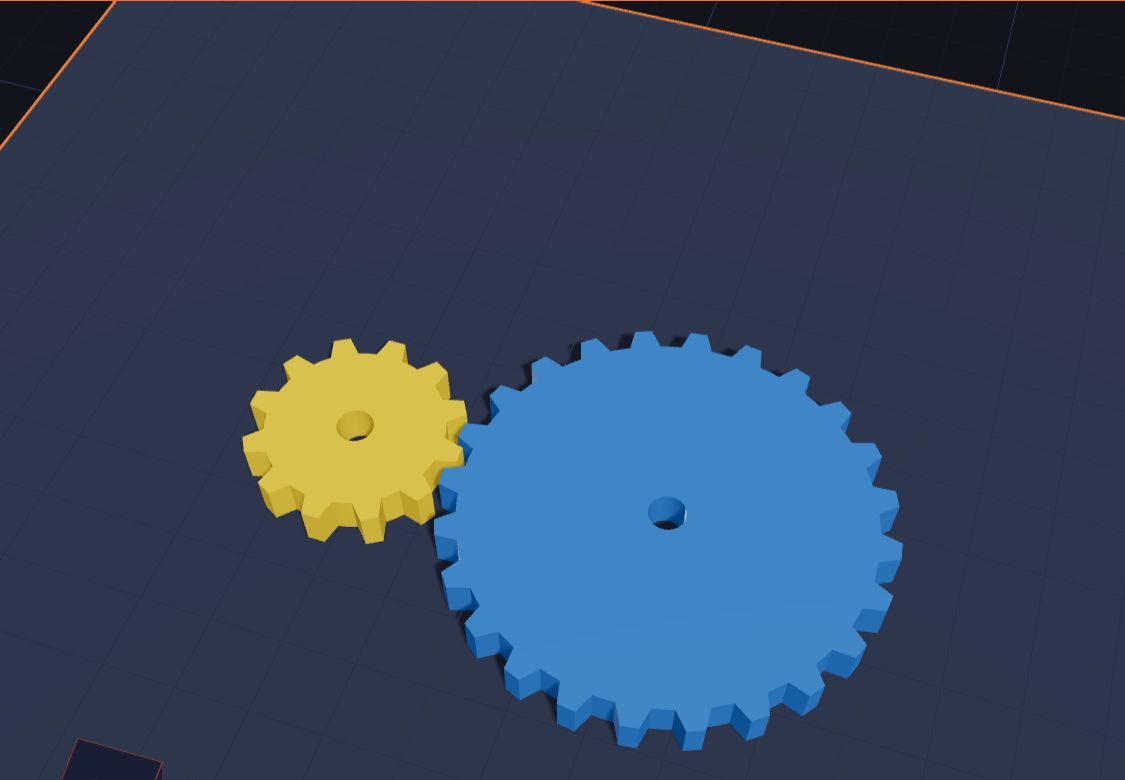
Try it today: design two gears that mesh, and work out how many times the small one turns for each turn of the big one.
2. Product designer
Product designers work out how everyday things should look, feel and work: toothbrushes, headphones, toys, furniture. They sketch ideas, model them in CAD, 3D print prototypes, and test them with real people. Helpful subjects: DT, art and design, maths.
Try it today: pick something on your desk, like a pencil pot. Sketch three ways to make it better, then model your favourite.
3. Architect
Architects design buildings, from houses to stadiums. They use 3D models to plan rooms, check sunlight and show clients what a building will look like before it's built. Helpful subjects: maths, art, geography, physics.
Try it today: model your bedroom to scale, in millimetres, with the door and window as holes. Then plan a new layout.
4. Civil engineer
Civil engineers design bridges, roads, tunnels and water systems. 3D models help them plan huge structures safely and check how they fit with the land around them. Helpful subjects: maths, physics, geography.
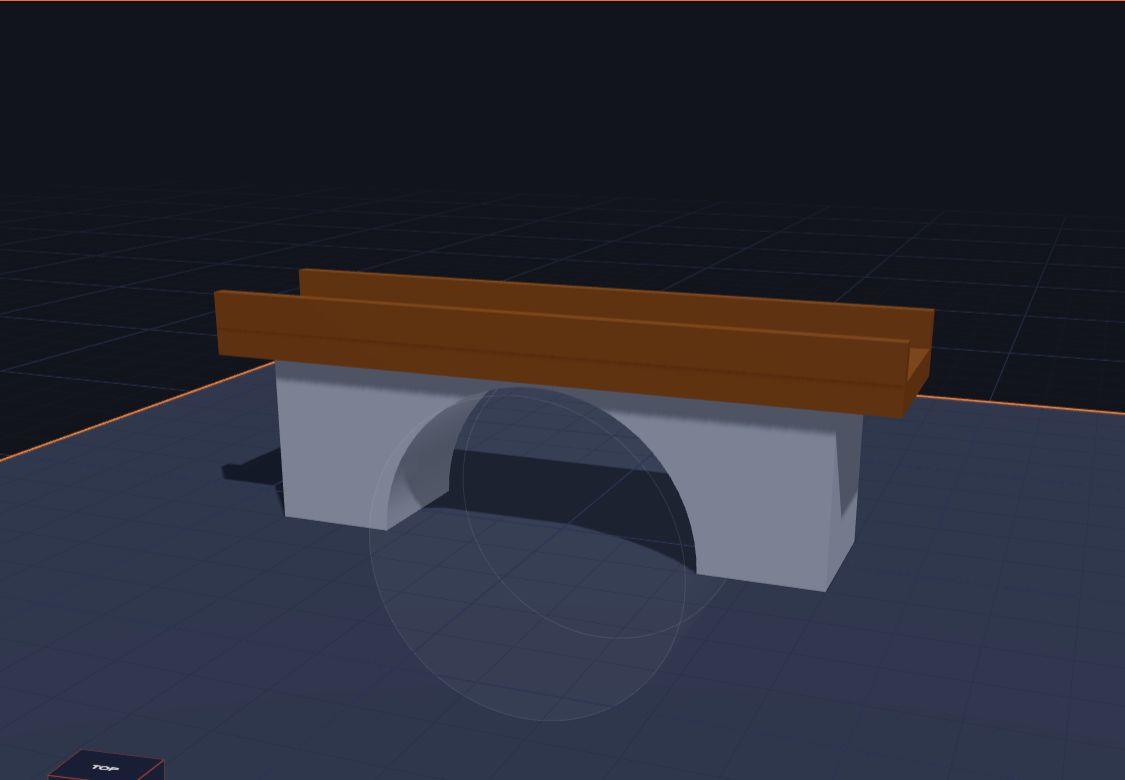
Try it today: design a bridge with an arch, and another with a flat beam, using the same amount of material. Which looks stronger, and why?
5. Game and film 3D artist
3D artists build characters, vehicles and worlds for video games, animated films and special effects. They focus on shape, colour, light and movement rather than exact sizes. Helpful subjects: art, computing, media.
Try it today: build a simple character from balls, cones and cylinders, and give it a strong silhouette you'd recognise from its shadow.
6. Dental and medical technician
Many dental crowns, clear braces and hearing aids are designed in 3D to fit one person exactly, then made by machines or 3D printers. Medical teams also design prosthetics and models of organs to plan operations. Helpful subjects: biology, chemistry, DT.
Try it today: measure your hand and design a simple pencil grip that fits your fingers.
7. Automotive and aerospace designer
Car, plane and rocket designers use CAD to shape bodies that slice through the air, and to fit thousands of parts together. Some parts of real rockets and planes are now 3D printed. Helpful subjects: maths, physics, DT.
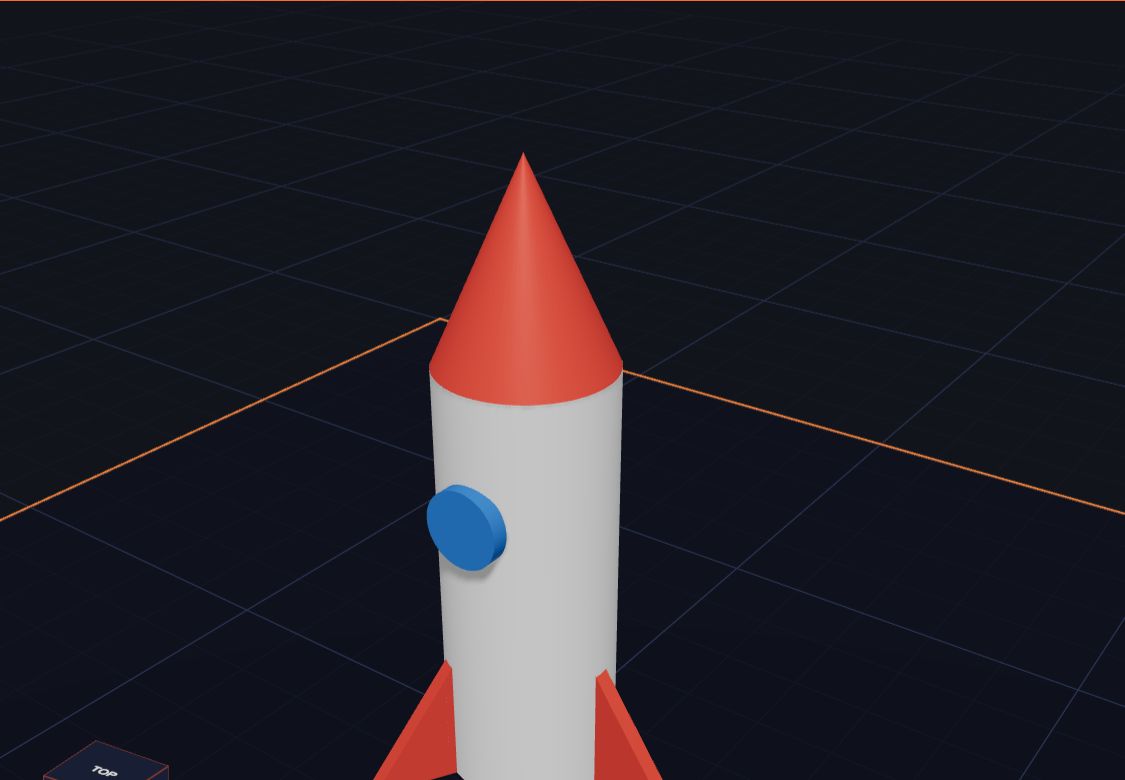
Try it today: design a rocket with fins, then try to make it as light as possible while keeping it stable.
8. Jewellery designer
Many jewellery designers model rings and pendants in 3D, print them in wax or resin, and then cast them in metal. Helpful subjects: art and design, DT.
Try it today: measure a ring that fits you, work out its inside diameter in millimetres, and design a ring with a pattern on top.
9. 3D printing technician
Technicians run the printers in schools, universities, hospitals and factories: preparing files, choosing materials and fixing problems. It's a great way into the industry. Helpful subjects: DT, computing, science.
Try it today: open an STL in a free slicer and compare how long it takes to print at two different layer heights.
Skills that every 3D job needs
- Seeing in 3D: imagining a shape from different sides. You build this by practising.
- Measuring carefully: working in millimetres and checking sizes.
- Problem solving: if something doesn't fit or breaks, figuring out why.
- Communicating: explaining your design with drawings, models and words.
- Patience: good designs usually take many versions.
Apprenticeship, college or university?
There's more than one way into a 3D design career:
- Apprenticeships let you earn money while you learn on the job, often with a day a week at college. Many engineering, manufacturing and design companies offer them after school, at 16 or 18.
- College courses in engineering, product design or 3D modelling teach practical skills and can lead to a job or to university.
- University degrees in engineering, architecture, product design or animation go deeper, and some jobs — like becoming a chartered engineer or a qualified architect — usually need one.
There's no single right path. What all of them value is a portfolio: real projects that show what you can design, with your sketches, models and the problems you solved along the way.
How to start now (for free)
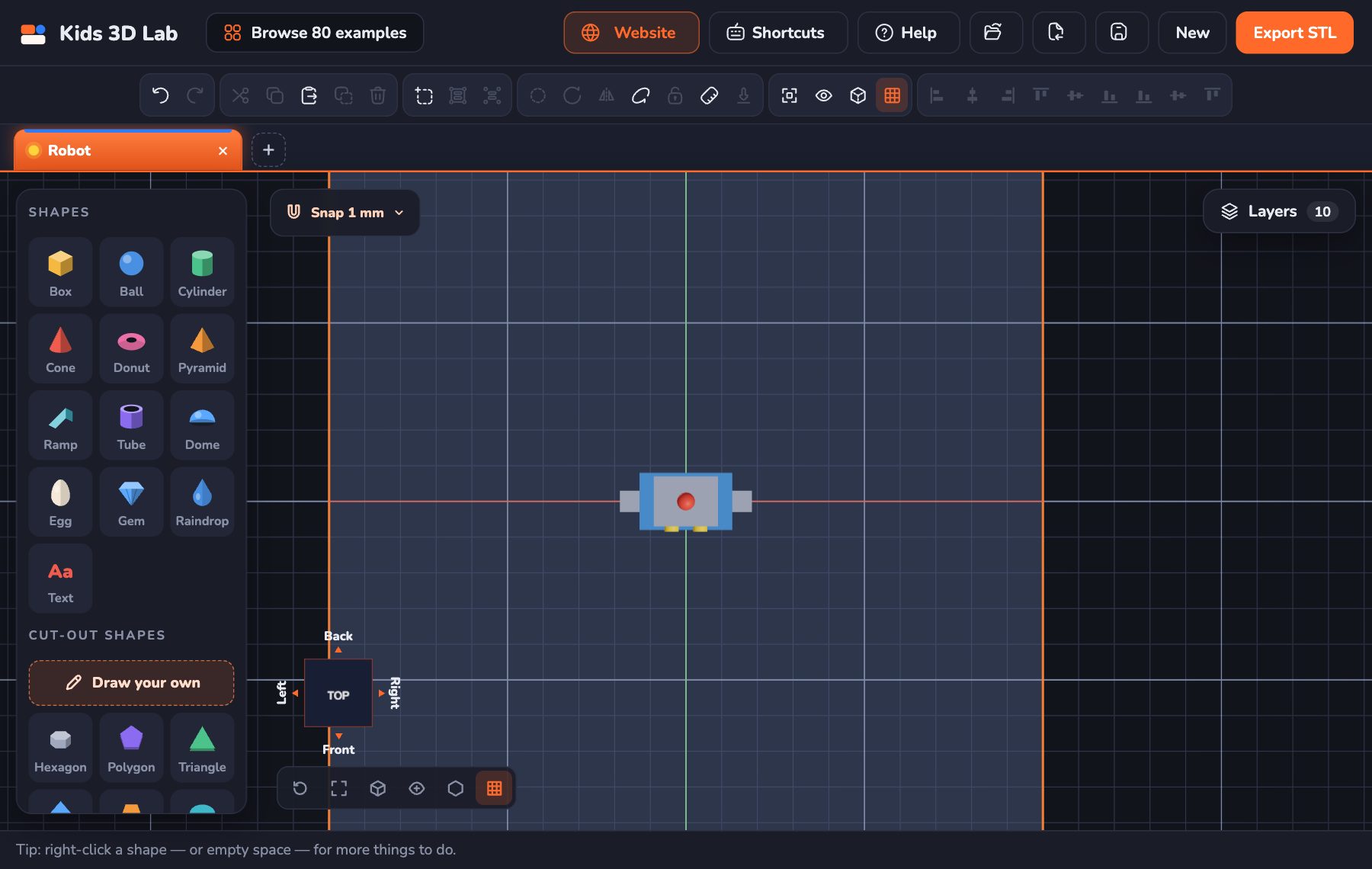
- Learn the basics. If you're just starting, Kids 3D Lab teaches shapes, holes, exact sizes and flat views in minutes — no account needed.
- Move on to real CAD. Onshape and Fusion both have free plans for students. Try modelling something on your desk with exact measurements.
- Try 3D art. Blender is free and is used in real games and films.
- Make things. Print or build your designs at school, a library or a makerspace.
- Keep a portfolio. Save pictures of your best projects and what you learned. It helps for college, apprenticeships and jobs later.
Questions teens ask
What jobs use CAD?
Engineers, product designers, architects, civil engineers, car and aerospace designers, jewellery designers, dental technicians and 3D printing technicians all use CAD.
Do I need to be good at maths?
Maths helps a lot, especially for engineering. But many design jobs also need creativity, drawing and communication. Practising CAD often makes maths feel more real.
Which school subjects help for a 3D design career?
Maths, physics, Design and Technology, art and design, and computing are the most useful.
Is it too early to start at 13?
Not at all. Many designers started by building things in their teens. The earlier you practise, the more natural it feels.
For parents and teachers
Encouraging a teen's interest in 3D design can open doors to engineering, design, architecture, healthcare and the creative industries. The most useful thing at this stage is regular practice and a small portfolio of finished projects. For school coursework, see CAD in DT: A Student's Guide; for hands-on experiments, see 8 Science Fair Projects With 3D Design and 3D Printing; and for the tools that come after Kids 3D Lab, read What to Learn After Kids 3D Lab.
Keep reading
 For teens
CAD in DT: A Student's Guide for GCSE Design and Technology
What CAD stands for in DT, how CAD and CAM are used in GCSE Design and Technology, which software schools use, and how to show good CAD work in your NEA project.
8 min read
 For teens
8 Science Fair Projects With 3D Design and 3D Printing
Science fair project ideas for teens using 3D design and 3D printing — with a real question to test, variables to change, and how to measure, repeat and present the results.
7 min read
 3D printing
What Is 3D Printing? Explained for Kids
What is a 3D printer, and what does it do? A 3D printer makes real things you can hold, one thin layer at a time. 3D printing explained for kids, with fun facts.
6 min read